
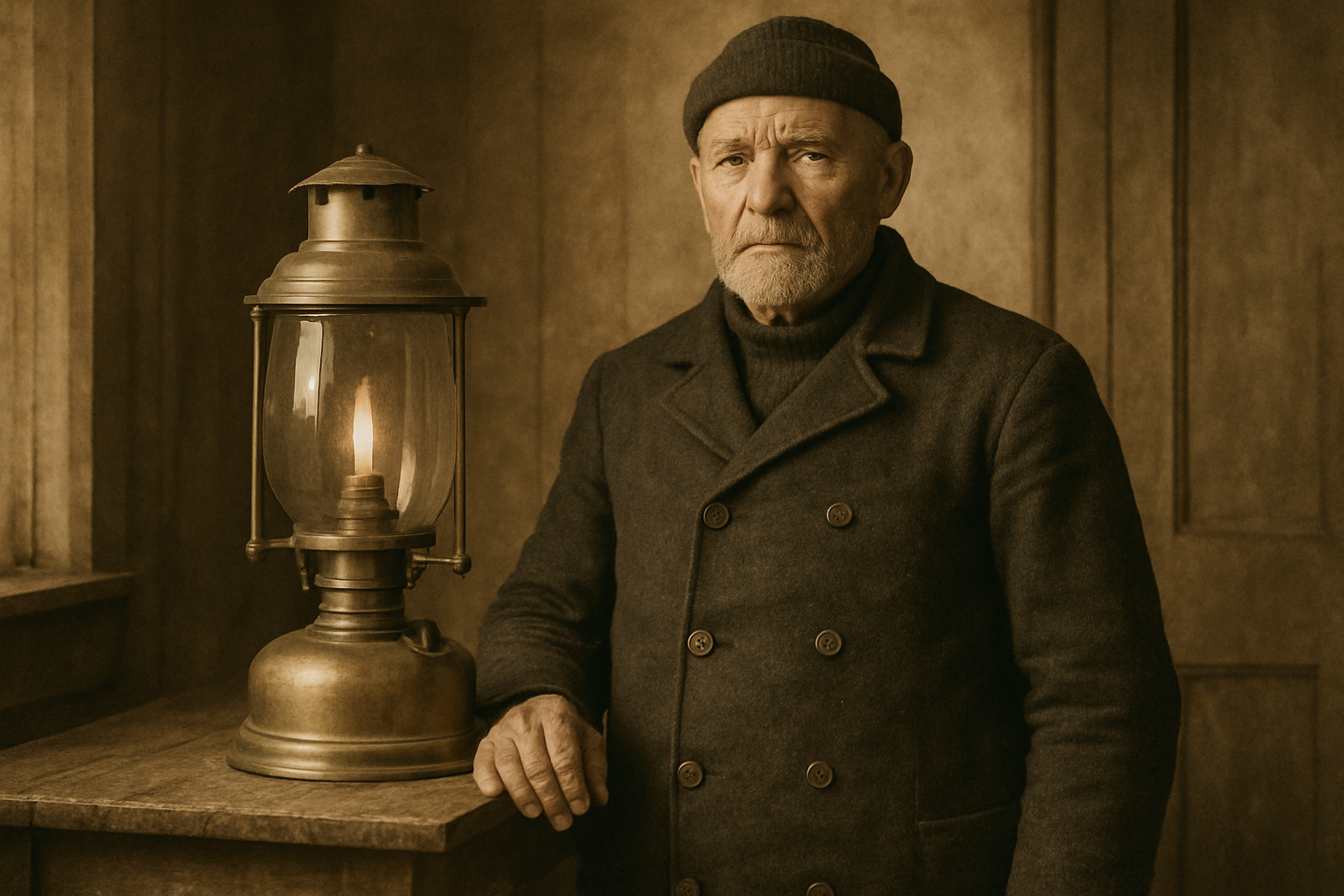
“He timed the trims by the tide bell, not the clock.”
Before first light
Morning rounds began in near-dark: wicks checked, brass wiped, and weather entered in a careful hand. The entries are brief, but the rhythm of duty is unmistakable.
Keeper stories
These short accounts pair archival details with field notes from the coast, showing how routine work, weather, and memory shaped each station.
“He timed the trims by the tide bell, not the clock.”
Morning rounds began in near-dark: wicks checked, brass wiped, and weather entered in a careful hand. The entries are brief, but the rhythm of duty is unmistakable.
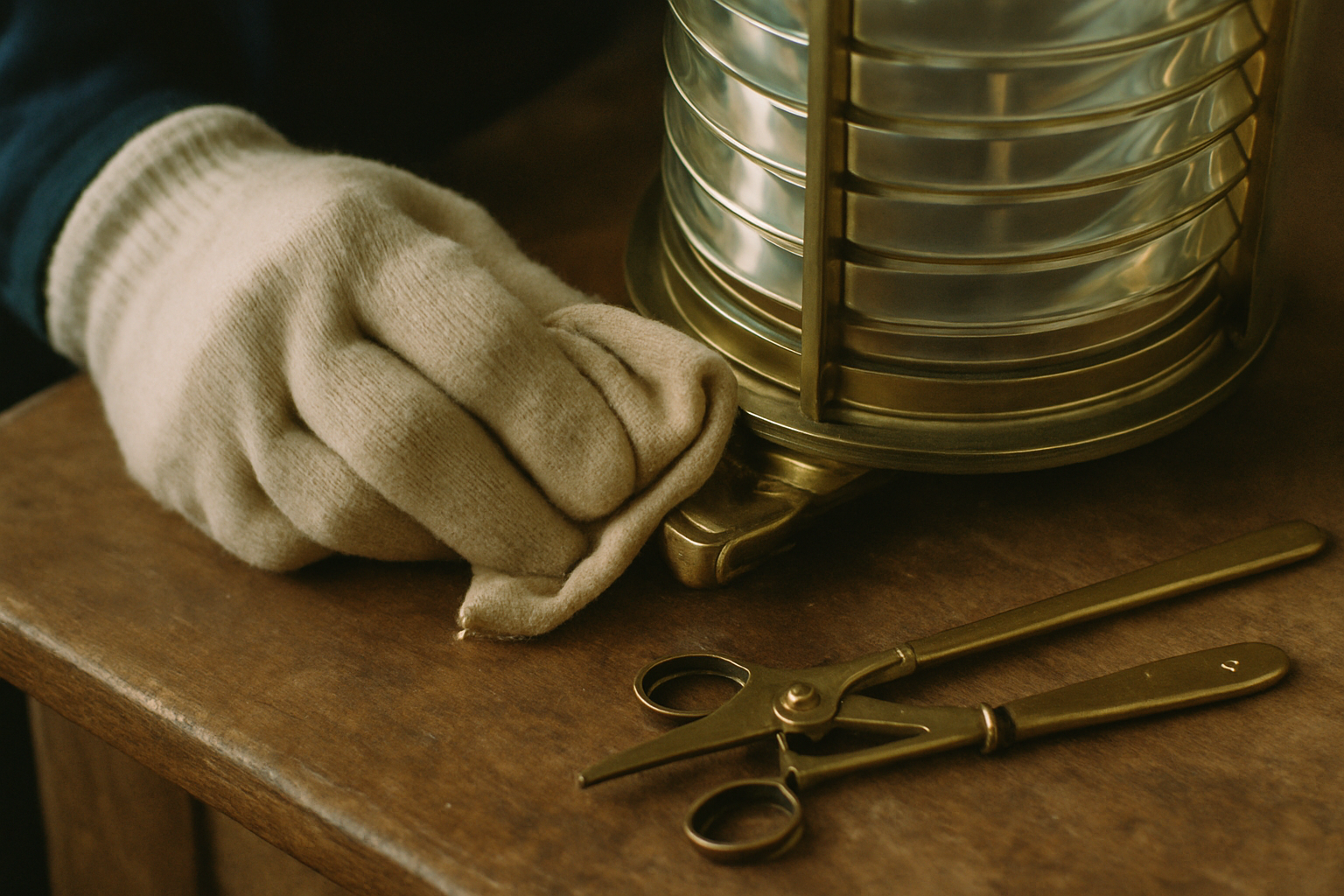
“Salt settled everywhere; polish was part of navigation.”
Lens hardware demanded patient, repetitive care. Notes from assistant keepers mention tiny adjustments made between squalls so the beam would remain steady over the shoals.
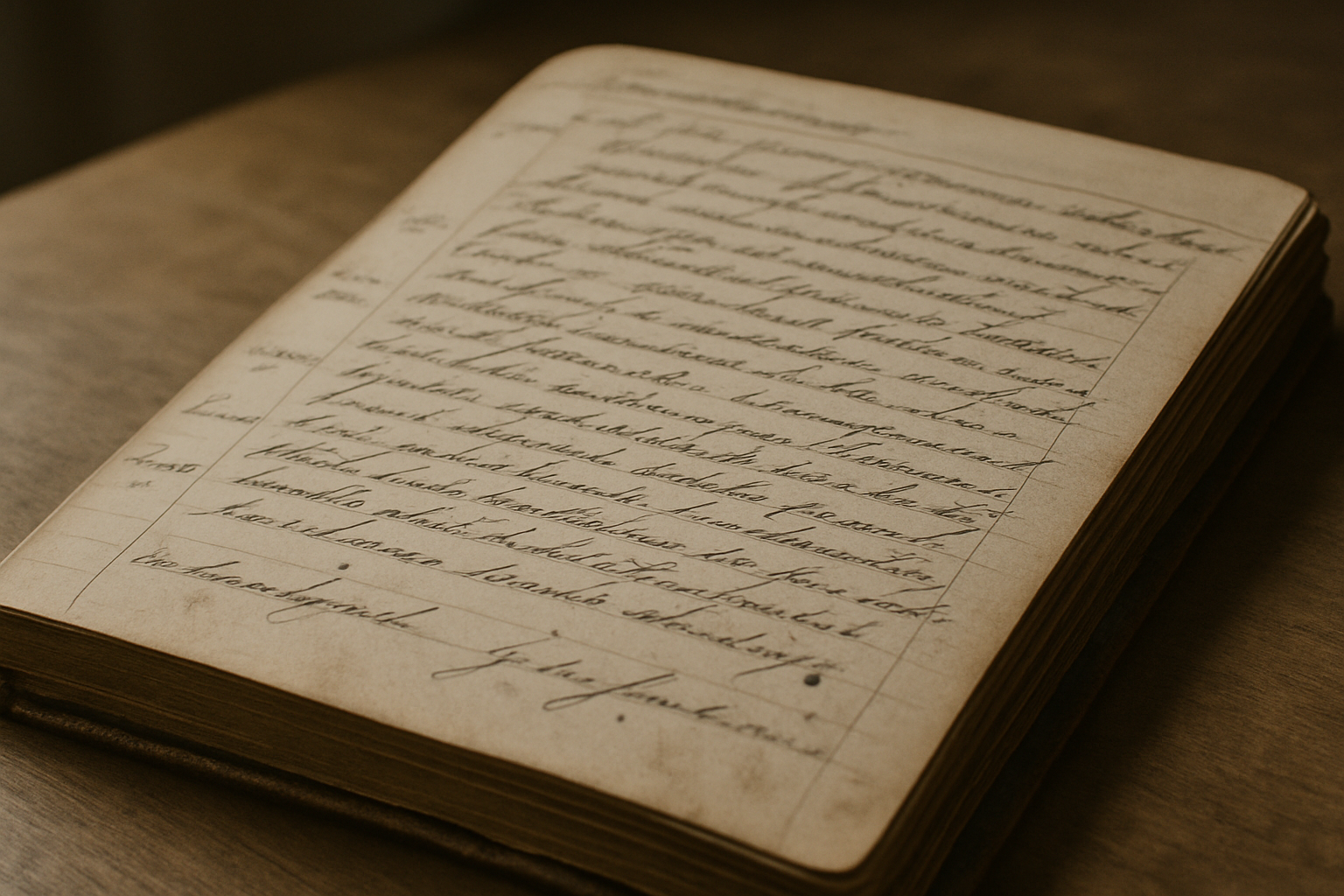
“Fog at second bell. Gull strike on north pane. Lamp held.”
Personal annotations appear beside formal entries: reminders, repairs, and names of passing vessels. Together they turn recordkeeping into a quiet form of witness.
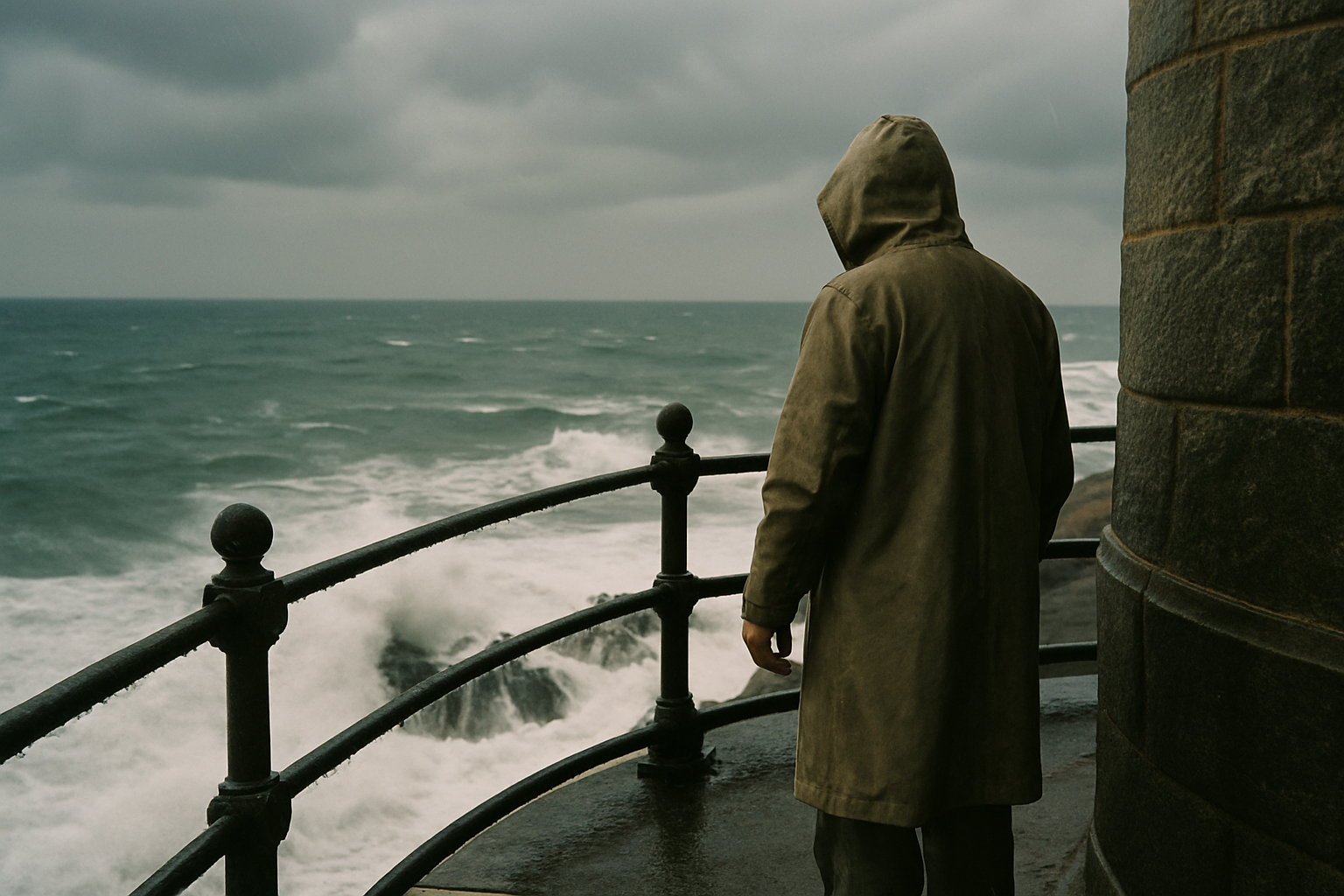
“When the glass fell fast, the stairs were never empty.”
During heavy weather, watches shortened but inspections increased. Reports describe wind, spray, and endurance in plain terms that still carry the weight of the night.